

Moving Beyond Transactional Governance: Insights from Three Former Independent School Heads
Independent school governance often stresses defined roles: boards focus on strategy and fiduciary issues, while administrators handle operations. But does emphasizing "staying in your lane" unintentionally hinder the collaboration needed to advance the school's mission?
This rigidity is showing up in the data. For instance, according to the latest NAIS Trendbook, there is a significant 18-point perception gap in how these two groups measure the success of their relationships: 78% of Board Chairs think their board is doing a great job, while only 60% of Heads share that confidence.
Building on this, in a recent LeadTeam Huddle, former School Heads turned consultants Doreen Kelly of The CREDS Group, Brooke Carroll of Acies Strategies, and Scott Wilson of Independent School Management, explained that this gap exists because we’ve stopped viewing governance as a relationship and started viewing it as a problem to be solved.
Moving Beyond "Lane" Talk
To address this, the industry often teaches Heads to keep the board at arm’s length to avoid micromanagement, but Doreen Kelly argues that this defensiveness is exactly what creates some of the greatest obstacles. When the relationship becomes transactional and defined solely by reports and "lanes,” we turn board members into objects to be managed and sacrifice the partnership in exchange for control. As Doreen puts it, "The second we turn members of our board into objects — they are just someone who is my problem — I dehumanize you. You're a person that is driven by something that I don't understand … but I'm going to try to understand." Instead of flinching at a trustee's question, she suggests using mutual curiosity to restore the relational bond.
Recruitment is Succession Planning
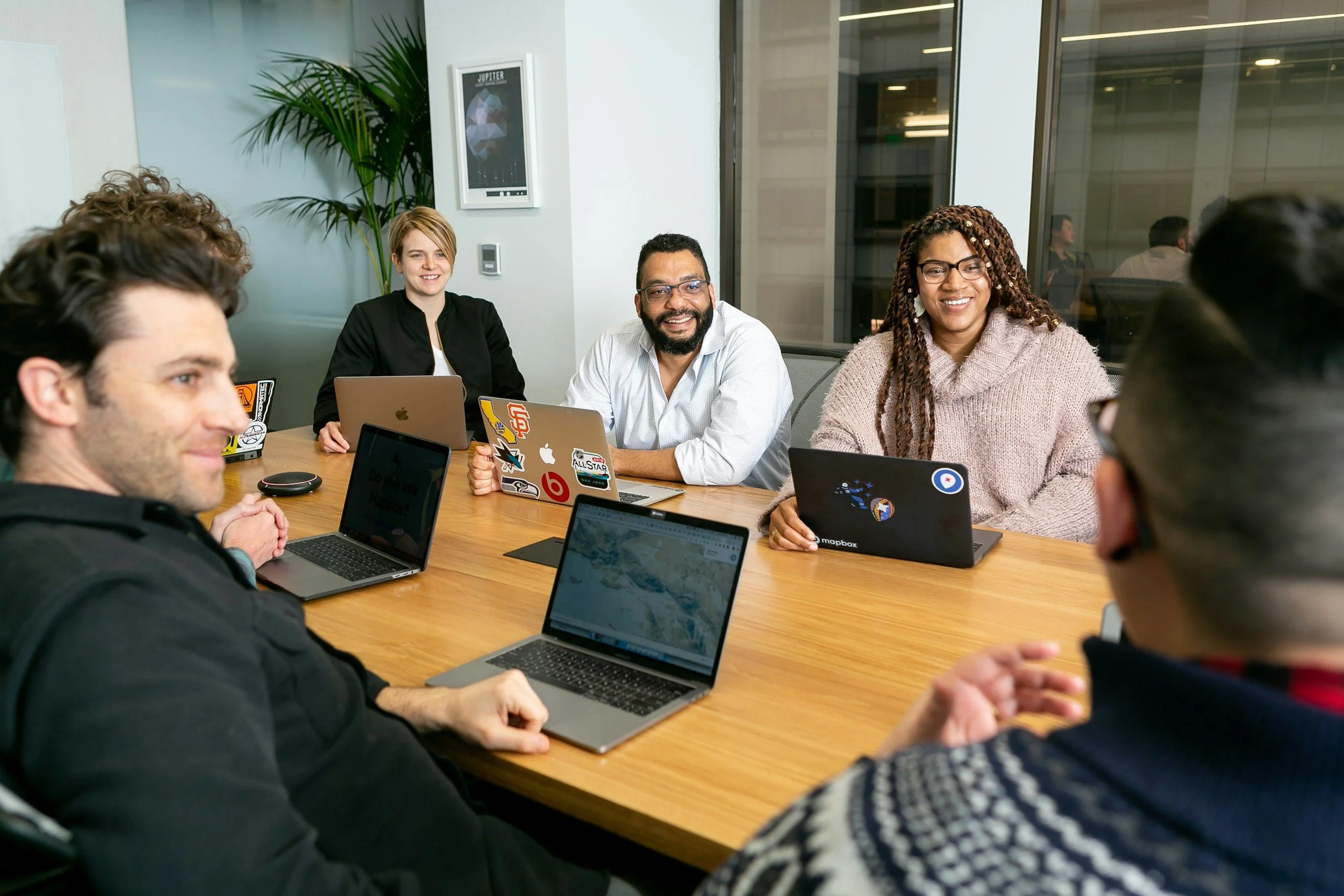
Image from Unsplash
Most schools struggle with recruitment because they treat it like they are asking for a favor. Brooke Carroll argues that if you want a high-performing board, you have to treat the seat like the prestigious civic service it is. Succession planning shouldn't be an afterthought, and it starts the moment you identify a candidate. As Brooke notes, "We don't always treat the recruitment process with the care and strategy that it needs. Succession planning starts at recruitment." Rather than asking for "any warm body" to join the board, Brooke suggests inviting people to consider a conversation about service. When you use a formal "match" process, candidates feel chosen for their specific talents rather than recruited out of desperation.
The "Return on Mission" Mindset
Another area of misalignment concerns board expectations around impact and measurement. A major source of this challenge is that most trustees come from a for-profit world where they expect a quick, quantifiable return on investment (ROI). Scott Wilson notes that school leadership requires a different vocabulary, moving the board away from purely financial metrics and toward the long-term health of the institution. As Scott explains, "Most trustees come from a for-profit world. We need to talk about 'Return on Mission' rather than 'Return on Investment.' It’s hard to quantify ROI in a school. It took years for my parents’ investment in my education to bear fruit." When the board understands that their "investment" is measured in decades, not quarters, they are much more likely to engage in strategic, generative thinking.
Protecting Your Social Capital
The partnership only works when both sides recognize the skin the other has in the game. Scott Wilson reminded the group that trustees aren't just giving their time, but they are also putting their local reputations on the line. "It took me a while as a head to understand the social and political capital that trustees put on the line for the sake of the school," Scott noted. "I’ve seen trustees out of loyalty to the school lose friendships." By acknowledging the Board’s personal stakes, a Head shifts the dynamic to one of mutual accountability, in which both parties are invested in the other’s success for the sake of the school.
The Shift from Expert to Teacher
The 18-percentage-point gap reflects differences in perception of board effectiveness, not the relationship itself. To achieve effective, mission-driven governance, Heads must actively engage Boards in meaningful dialogue and mutual learning. The strongest boards are those that collaborate closely with Heads, building relationships that strengthen the institution’s mission.
Interested in finding a partner to help your Head-Board partnership move beyond transactional? Reach out to LeadTeam Partners for a conversation.
